This essay was first published in the April 1966 issue of The Objectivist and later anthologized in The Voice of Reason: Essays in Objectivist Thought (1989).
A 55-minute lecture version was delivered in April 1966 at Boston’s Ford Hall Forum.
In the years 1951 to 1954, a group of scientists at McGill University conducted a series of experiments that attracted a great deal of attention, led to many further inquiries, and became famous under the general title of “sensory deprivation.”
The experiments consisted of observing the behavior of a man in conditions of isolation which eliminated or significantly reduced the sensations of sight, hearing, and touch. The subject was placed in a small, semi-sound-proofed cubicle, he wore translucent goggles which admitted only a diffuse light, he wore heavy gloves and cardboard cuffs over his hands, and he lay in bed for two to three days, with a minimum of motion.
The results varied from subject to subject, but certain general observations could be made: the subjects found it exceedingly difficult or impossible to concentrate, to maintain a systematic process of thought; they lost their sense of time, they felt disoriented, dissociated from reality, unable to tell the difference between sleeping and waking; many subjects experienced hallucinations. Most of them spoke of feeling as if they were losing control of their consciousness. These effects disappeared shortly after the termination of the experiments.
Per our agreement with publishers, to make room for other Ayn Rand non-fiction content, this essay has been temporarily removed, but will return in due course.
About the Author
Ayn Rand
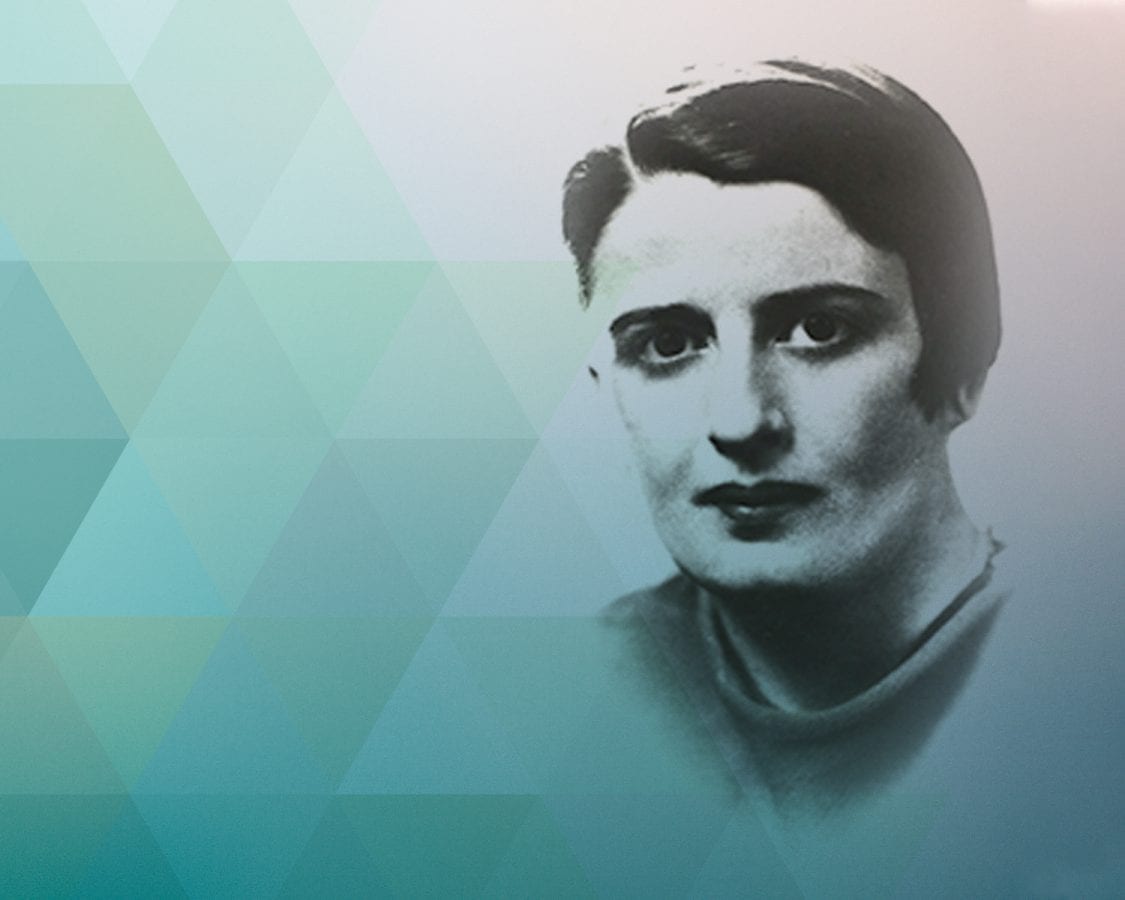
Ayn Rand created and defined her philosophy, Objectivism, in the pages of her best-selling novels, particularly The Fountainhead and Atlas Shrugged, and in a series of nonfiction books that address a wide range of fundamental issues in philosophy.
Born Alisa Rosenbaum in Tsarist St. Petersburg in 1905, Rand witnessed the Russian Revolution as a teenager and promptly condemned communism as immoral for sacrificing the individual to the collective. In 1926, shortly after graduating from the University of Leningrad, she fled to America, adopting the pen name Ayn Rand to shield her family from possible persecution once her anti-communism became well known.
In Hollywood, she wrote scenarios for famous director Cecil B. DeMille and met her future husband on a movie set, but the couple struggled financially for years. Then came a string of writing successes: a Broadway play, followed by her first novel, We the Living (1936), then a novella called Anthem (1938), and later her first best seller, the story of a fiercely independent architect named Howard Roark in The Fountainhead (1943). All these works of fiction feature gripping stories and exalted, egoistic, this-worldly heroes.
In writing Atlas Shrugged (1957) — the story of a man who said he would stop the motor of the world, and did — Rand had to define fully her new philosophy of reason, rational self-interest, and laissez-faire capitalism.
Thereafter, and until her death in 1982, Rand amplified and explicated her “philosophy for living on earth” in a stream of books whose theoretical essays and cultural commentaries cover important topics across the five major branches of philosophy: metaphysics, epistemology, ethics, politics and esthetics.