More than any other Enlightenment thinker, John Locke was responsible for the creation of the United States. His thoughts on the nature of human knowledge, individual rights, and the sacred value of free thought against...
Could there have been a Romantic school of art if not for the ideas of Aristotle? In this course, Dr. Robert Mayhew addresses this intriguing question.
Plato, the first philosopher with a theory of esthetics, saw...
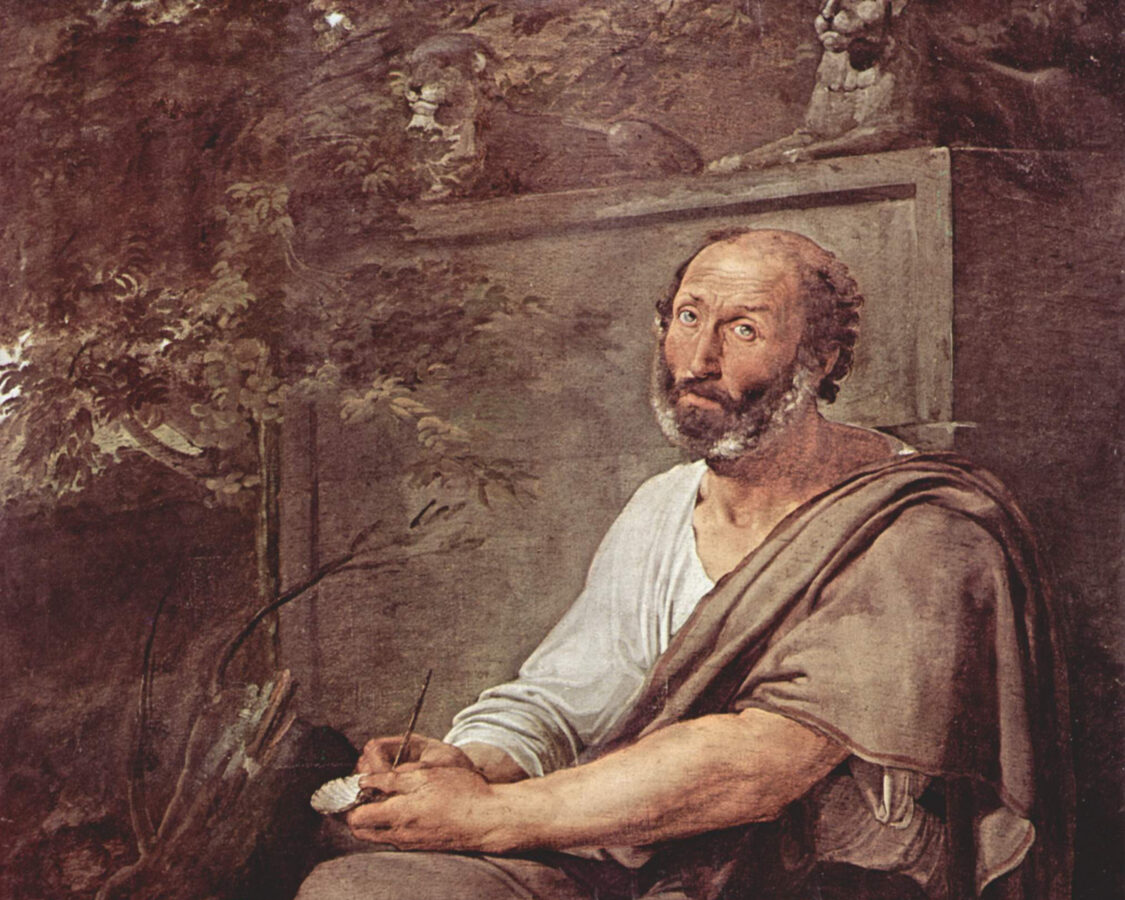
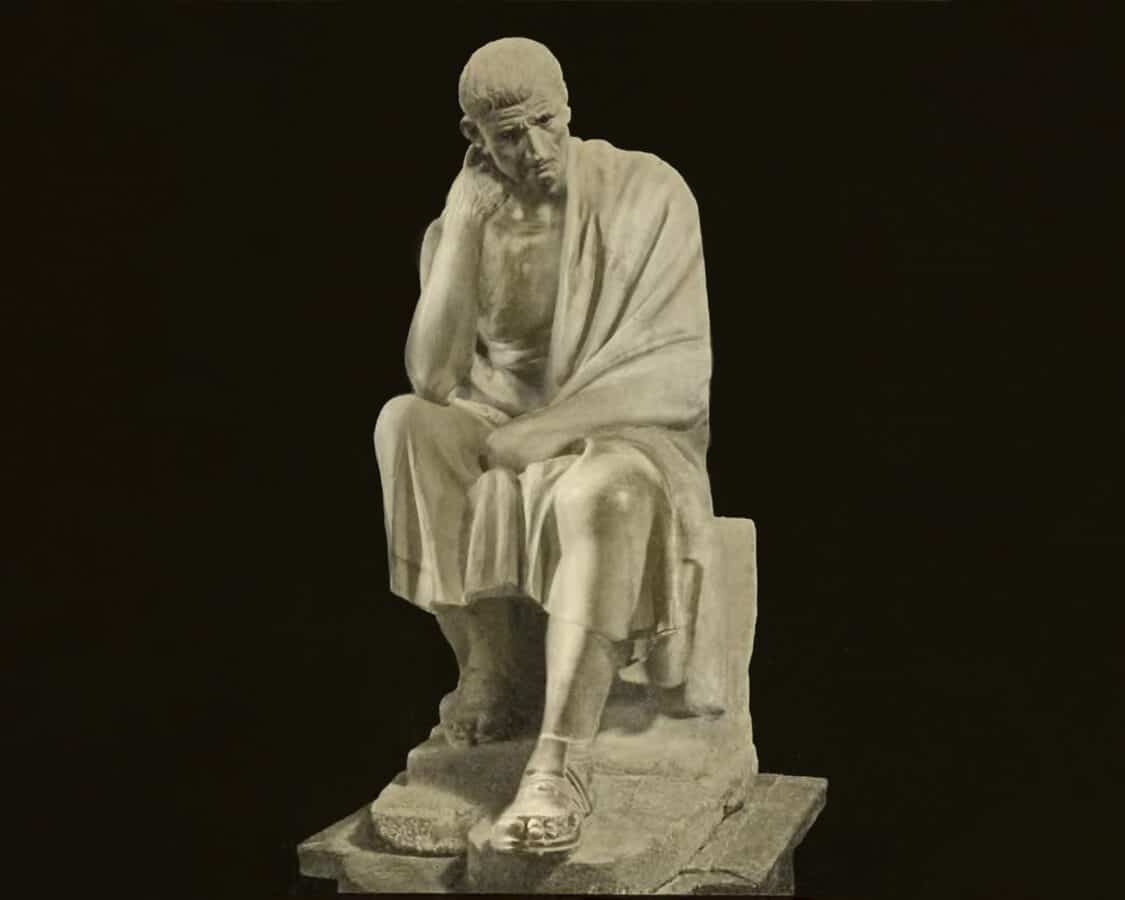
Aristotle is the father and chief defender of the view that the human mind can achieve a deep and rich understanding of the world in terms of fundamental principles derived ultimately from sense-perception. Aristotle’s theory...
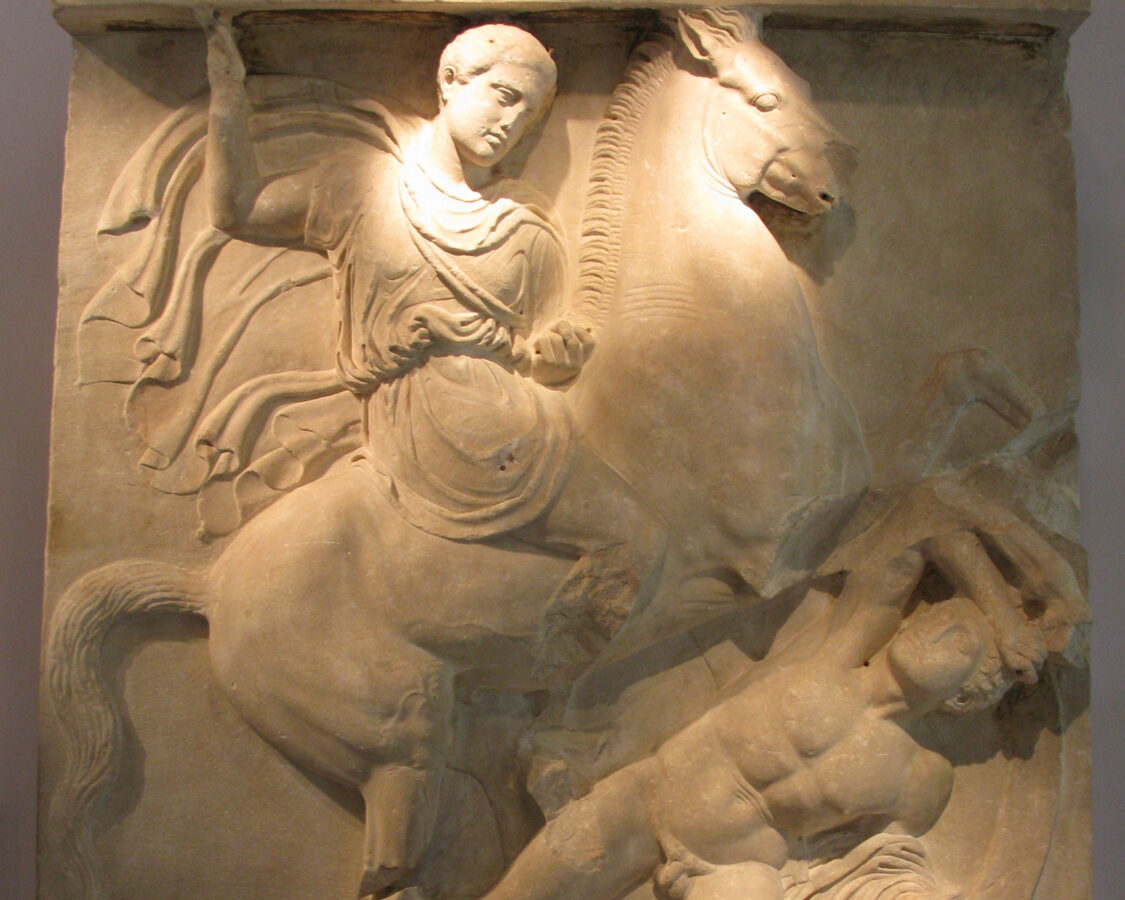
The fourth century BC, the events after the defeat of Athens by Sparta in the Peloponnesian War, is often seen as the decline of the Greek world, a mere echo of a golden age. But...
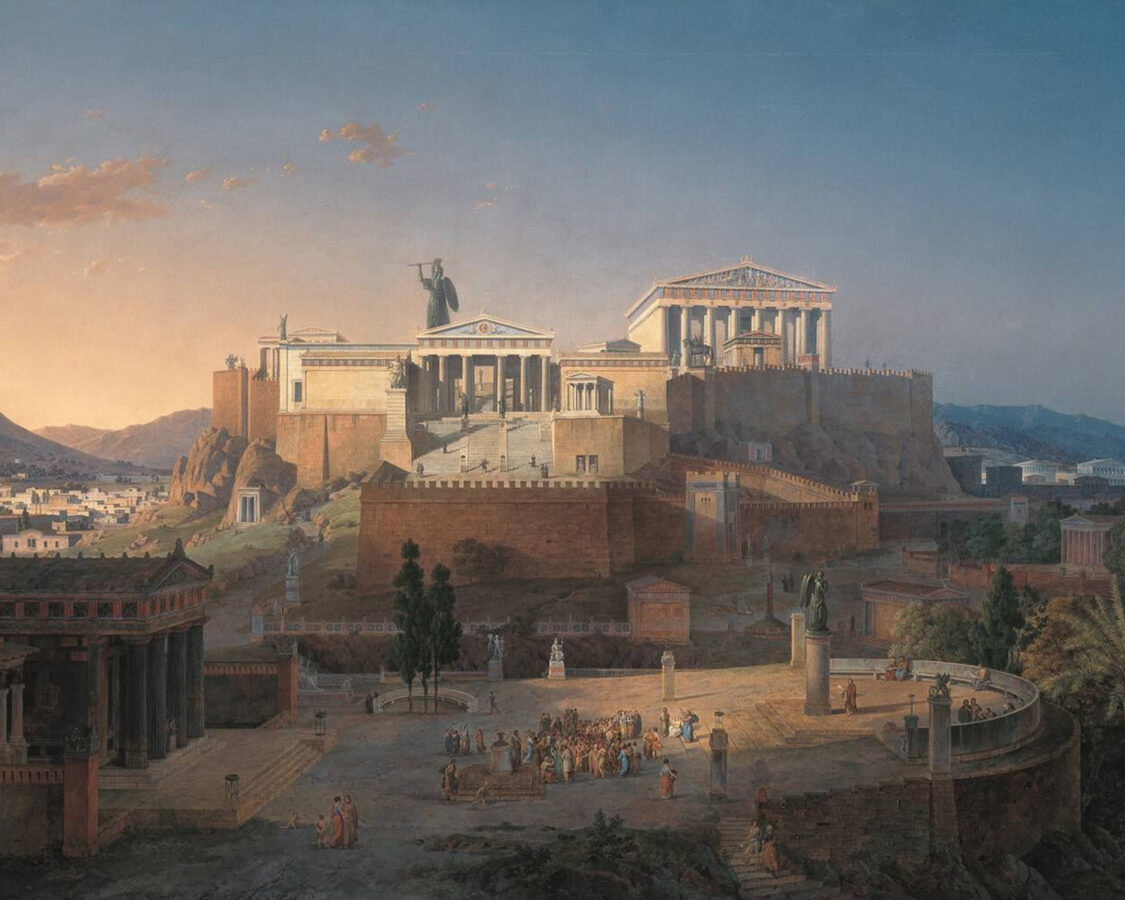
The apex of classical culture is the intellectual revolution of fifth-century Athens: she was nothing less than the intellectual capital and the exemplar of the Greek world. The political context for this development was set...
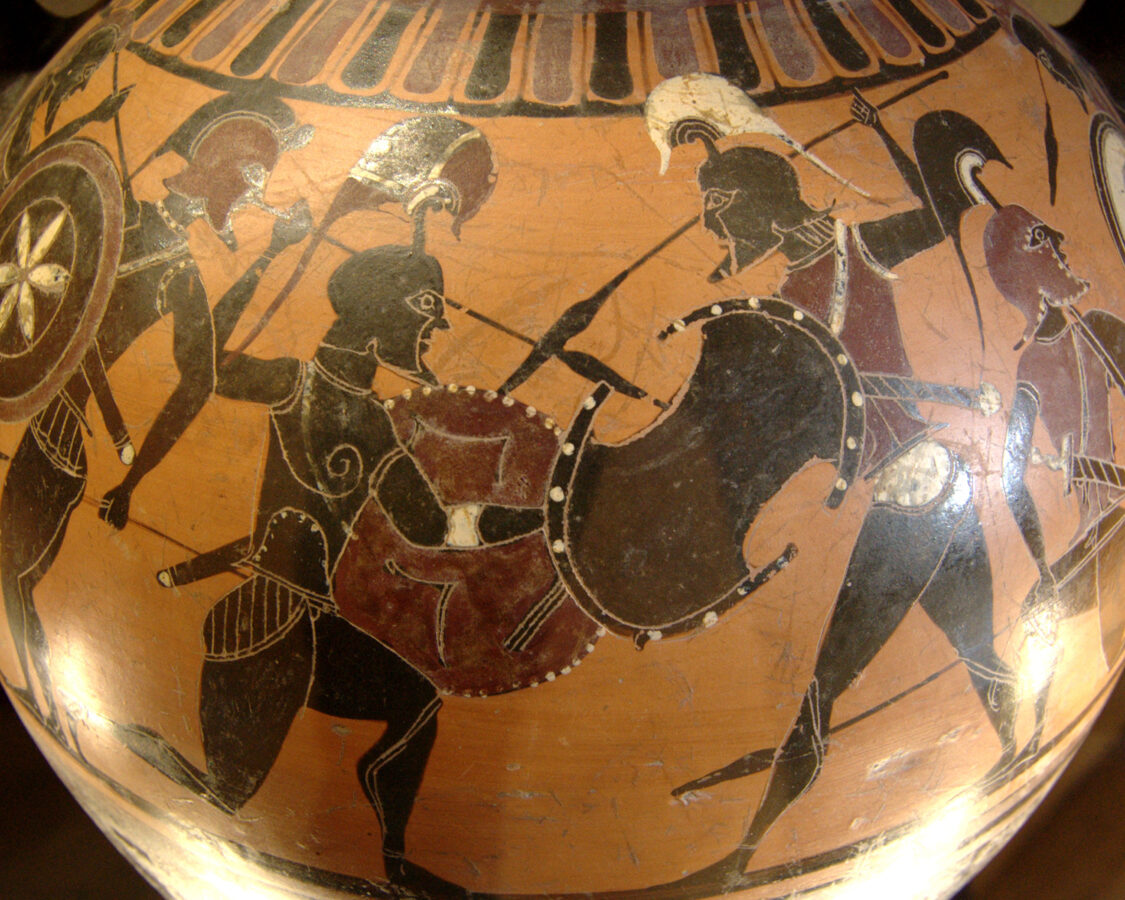
Archaic Greece encompasses the three centuries prior to the ascent of classical Greek culture. As historian John David Lewis illustrates, it subsumes intellectual, artistic, and political achievements that are self-sufficient in their own right, but...
Concepts, though fundamental, are only tools—only means to an end. The end is the practical, productive, rational use of your mind to achieve your values, secure your survival, and enhance your life. That is the...
Available with Spanish subtitles!
¡Disponible con subtítulos en español!
Ayn Rand stated the theme of Atlas Shrugged as: “the role of the mind in man’s existence—and, as corollary, the demonstration of a new moral philosophy: the morality of...
In this collection of talks spanning more than a decade, Leonard Peikoff reflects on a wide range of topics of significant importance to his life, both personally and professionally. Several of these discussions are informal:...
Free, unregulated financial markets serve the vital function of providing capital to the producers. Yet, through the ages, banking and other financial activities have been viewed as corrupt and exploitative. From the money-changers of the...
Ayn Rand held that “philosophy is primarily epistemology,” the “science devoted to the discovery of the proper methods of acquiring and validating knowledge.” This class surveys Rand’s “new approach to epistemology” — the most original...
No thinker has had a greater influence on philosophy in the last two centuries than Immanuel Kant. Building on his metaphysics and epistemology, Kant proposed an ethics that dispensed with the need for a divine...
Yaron Brook is chairman of the board of the Ayn Rand Institute. He wears many hats at the institute and travels extensively as ARI’s spokesman.
Brook can be heard on The Yaron Brook Show, which airs live on YouTube and Speaker. He is also a frequent guest on national radio and television programs.
An internationally sought-after speaker and debater, Brook also pens works that make one think. As coauthor, with Don Watkins, of the national best-seller Free Market Revolution: How Ayn Rand's Ideas Can End Big Government, Brook and Watkins argue that the answer to our current economic woes lies not in "trickle-down government" but in Rand's inspiring philosophy of capitalism and self-interest. Last year, Brook and Watkins released a new book, Equal Is Unfair: America's Misguided Fight Against Income Inequality, a book that shows the real key to making America a freer, fairer, more prosperous nation is to protect and celebrate the pursuit of success―not pull down the high fliers in the name of equality. Brook is also contributing author to Neoconservatism: An Obituary for an Idea, Winning the Unwinnable War: America’s Self-Crippled Response to Islamic Totalitarianism and Big Tent: The Story of the Conservative Revolution — As Told by the Thinkers and Doers Who Made It Happen. He was a columnist at Forbes.com, and his articles have been featured in the Wall Street Journal, USA Today, Investor’s Business Daily and many other publications.
Brook was born and raised in Israel. He served as a first sergeant in Israeli military intelligence and earned a BSc in civil engineering from Technion-Israel Institute of Technology in Haifa, Israel. In 1987 he moved to the United States where he received his MBA and PhD in finance from the University of Texas at Austin; he became an American citizen in 2003. For seven years he was an award-winning finance professor at Santa Clara University, and in 1998 he co-founded BH Equity Research, a private equity and hedge fund manager, of which he is managing founder and director.
Brook serves on the boards of the Ayn Rand Institute, the Clemson Institute for the Study of Capitalism and CEHE (Center for Excellence in Higher Education), and he is a member of the Association of Private Enterprise Education and the Mont Pelerin Society.